AFEOP will employ eight interlinked approaches as part of our design and interventions to address the drought challenges. These approaches reflect the trends identified by AFEOP through research and will be important to achieving particular changes that respond to the needs of the pastoralist communities in the long term.
Empowering Youth
Youth are, by nature of their age and developmental stage, more susceptible to risky practices and choices that could impact the rest of their lives; still in the process of forming their identities, developing self-esteem, and figuring out their place in the world, it is essential to involve youth in targeted activities that show them they can play a positive, valued role within their own communities. AFEOP supports and empowers young influencers in the region by building their capacity through technology based skills building practices such as effective use of social media to drive transformation.
Working with Families and Children:
Recognizing the importance of family and caregiver units in early childhood development, AFEOP takes a family-centered approach to much of our programming. This includes holding Community Movement Sessions (CMS). The CMS sessions bring families together to dialogue on community challenges and begin grassroots movement that lay the stones for long term changes to overcome the identified challenges.
Elevating the Voice of Women and Girls:
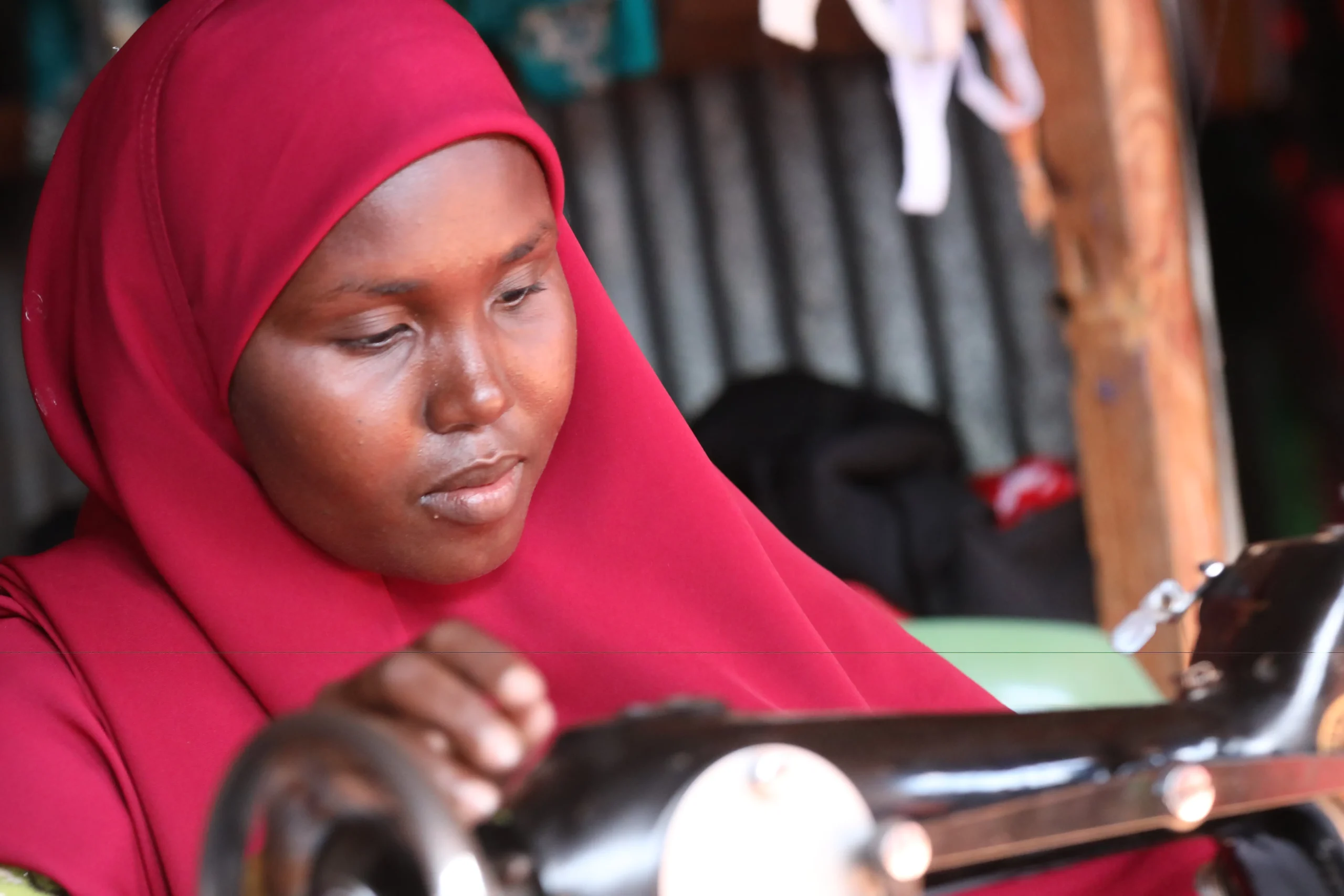
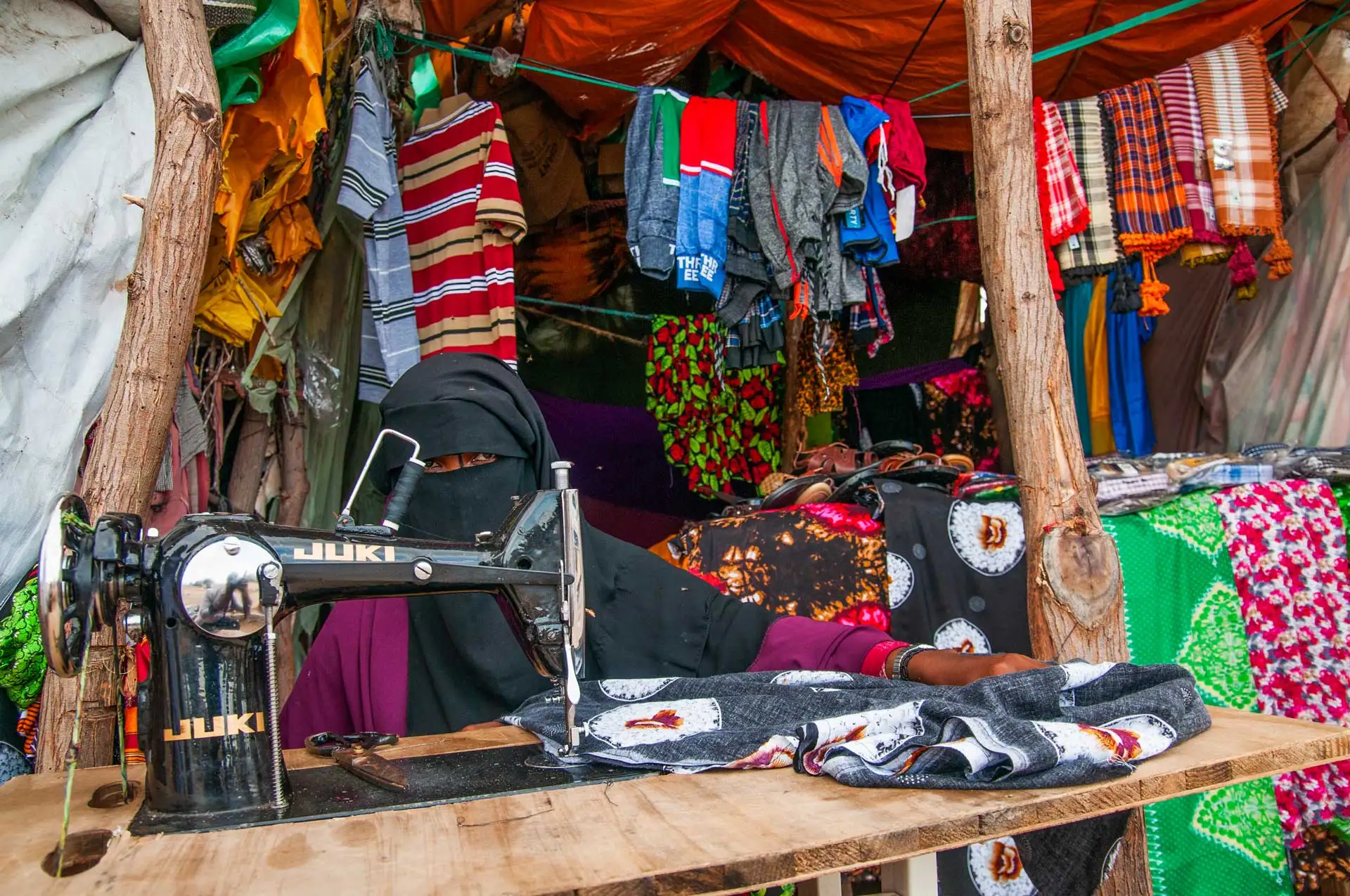
Through a focus on both social-emotional learning and capacity development, women and girls can develop the skills and agency required to step out of traditional modes of thinking and embrace more positive alternatives. The skills we focus on through our programming are tailored to the context, and include effective communication, empathy, critical thinking, creative thinking, decision making, and self-efficacy alongside hands on craft skills for out of school women and girls.
Promoting Positive Social Norms:
When addressing negative norms specifically on women, AFEOP looks first at issues of power, agency and dynamics within families, communities, and social structures – shifting our focus from the individual to the contextual factors that impact the lives of women and girls and approaching program design through a socio-ecological lens.
Championing for Peace and Security
Our approach to building social cohesion and mitigating inter communal conflict empowers communities and individuals with credible information and positive local narratives that espouse concepts of peace and inclusion, challenge the veracity of misinformation, and provide concrete opportunities for dialogue and engagement with government, religious, and community leaders. By utilizing community public forums and platforms and local media, we give communities much needed space to air grievances, discuss concerns, and take action to address issues, providing a foundation from which communities can better resist negative influences such as fake news conflict and violent extremist propaganda.
Use of Media & Technology
Making media accessible and participatory is a core element of our interventions. We use technology to elevate citizens’ issues and make sure the most marginalized voices are heard. Whether training youth and women to lead local community reporter networks, launching an interactive TV/radio series to tackle conflicts, or gathering feedback on how to address bad cultural norms through social media and interactive voice response (IVR) platforms – we constantly innovate to ensure we generate content that is creative, appropriate, and, above all, inclusive.
Learning and Adapting
Adaptability is central to our program approach. We use survey data, evaluation tools, reflection meetings, in-depth interviews, community, and facilitator feedback, and randomized controlled trial data to continuously evaluate and improve our programs. By creating real-time learning and feedback loops, we can design iteratively and adapt as necessary to achieve our goals.